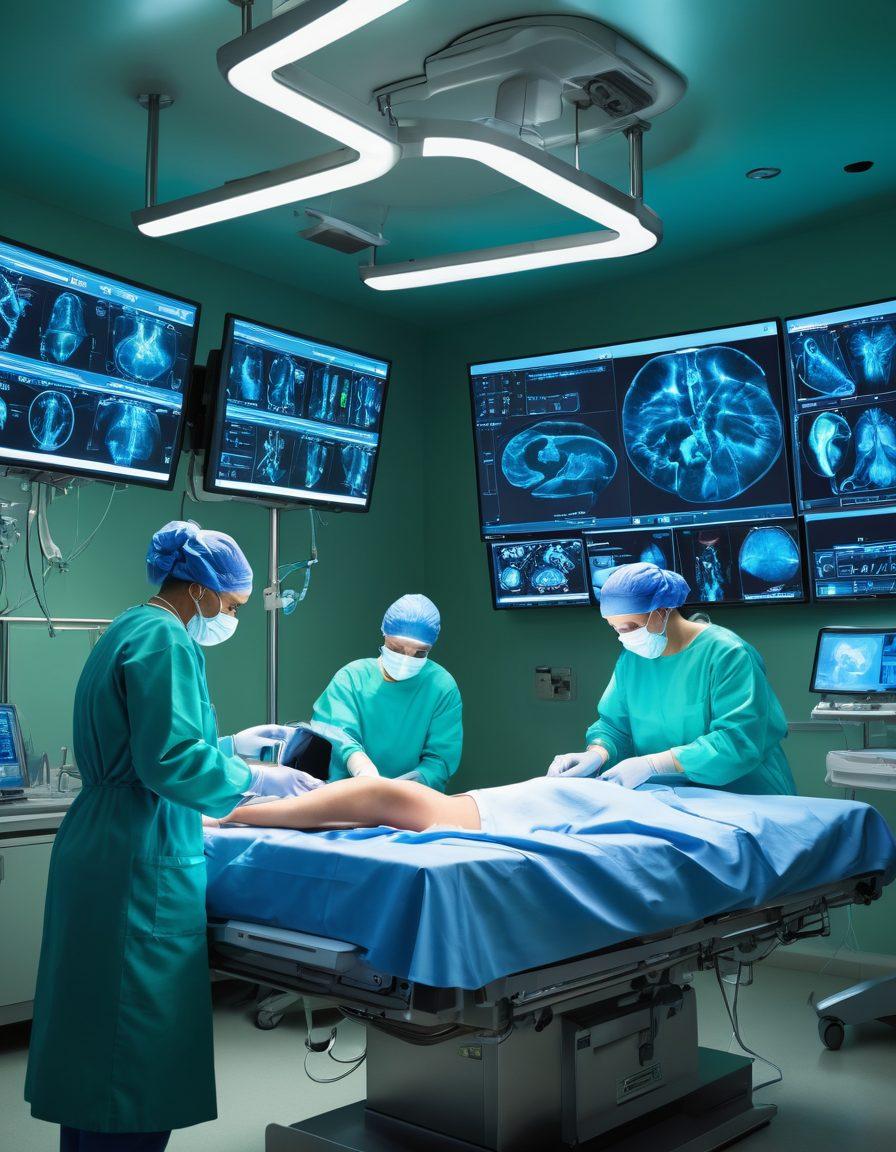
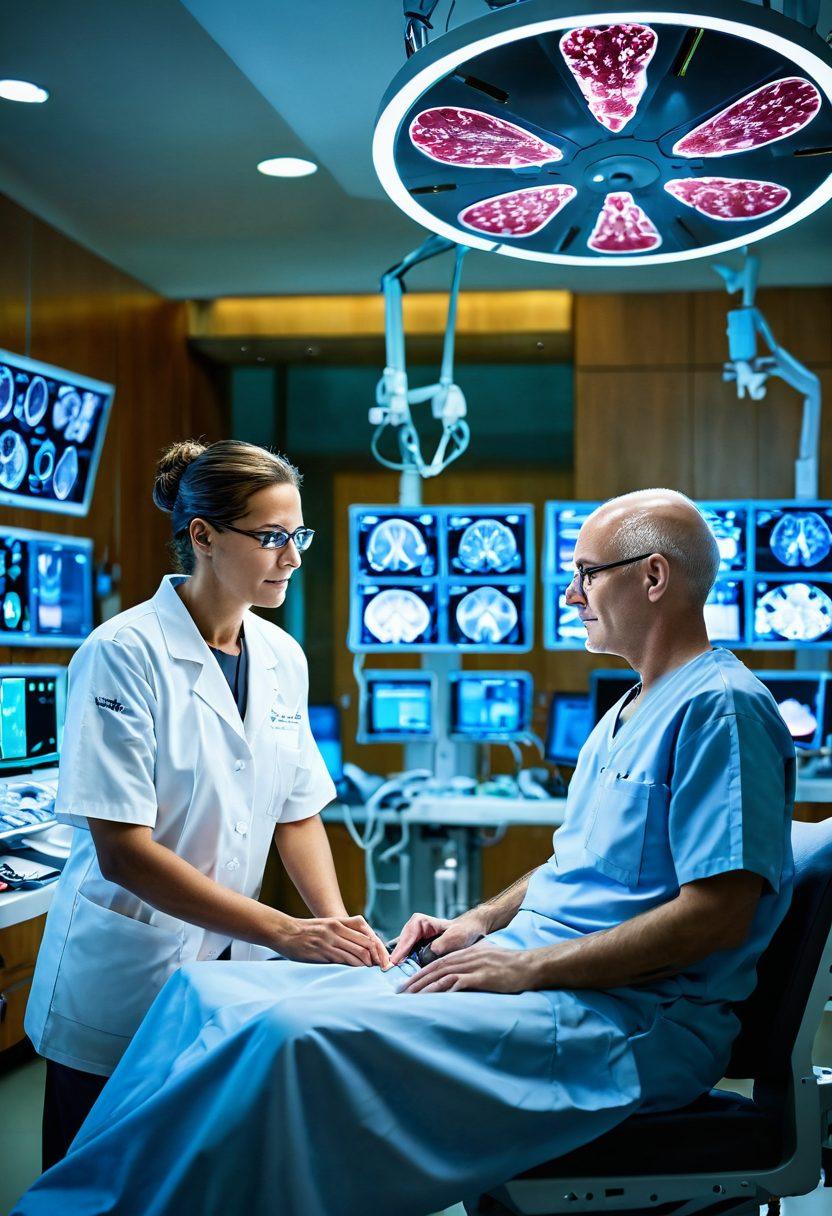
Navigating the Journey: Empowering Cancer Patients Through Innovative Surgical Interventions
Imagine standing at the edge of a cliff, looking out at an expansive horizon. This metaphorical cliff is where many cancer patients find themselves—on the verge of stepping into the unknown, facing a life-altering diagnosis. Fortunately, innovative surgical interventions have transformed this uncertain terrain into a path of hope and healing. The evolution of surgery for tumors has revolutionized cancer care, ensuring that patients experience better outcomes than ever before. Today, let's delve into how advancements in cancer surgery are reshaping the landscape of medical care for cancer patients, reminding us that every patient’s journey can be marked by resilience and empowerment.
The world of oncological surgery has experienced a seismic shift in recent years. It's no longer just about tumor removal; it's about individualized cancer therapy tailored to each patient’s unique needs. Doctors now employ cutting-edge techniques that allow for precision in surgery and significantly minimize recovery times. Patients no longer have to endure lengthy, arduous recovery periods that once accompanied traditional surgeries. This holistic cancer treatment approach prioritizes patient comfort, aiming for not just survival, but thriving. Could it be that this shift in strategy encapsulates a new hope for patients battling cancer?
Consider the story of Maria, a spirited cancer patient diagnosed with stage II breast cancer. She approached the cancer diagnosis with fear but found a ray of light through a specialized health service for cancer that employed minimally invasive surgical techniques. With the help of her dedicated team of oncologists, she underwent a cancer operation that left her feeling hopeful instead of anxious. The palliative care for cancer she later received ensured her quality of life was prioritized while she recovered. Maria's journey illustrates that when surgical advancements are combined with compassionate cancer patient support, exceptional outcomes are not just a possibility; they become a reality.
What if we could revolutionize cancer therapy by integrating vital post-operative care for cancer into the journey? After surgery, the real work begins. Patients need to engage in a framework of clinical oncology that emphasizes not only their surgical treatment for cancer but also their mental and emotional recovery. Support groups, nutrition counseling, and wellness programs are emerging as critical components of holistic cancer treatment. They assure patients that they’re not alone in their fight and offer pathways to navigate the challenges inherent in cancer recovery.
Ultimately, the conversation surrounding cancer intervention must include a focus on how advancements in cancer surgery enhance overall patient experiences. With state-of-the-art techniques, personalized approaches, and a continuum of care extending from cancer diagnosis through recovery, patients are learning that hope is not just a fleeting thought, but a powerful tool in their arsenal against cancer. Each story, like Maria’s, adds to a tapestry of resilience painted with the colors of innovation. Isn’t it remarkable how far we’ve come? With continued support and ongoing advancements, the future of cancer care services looks not just promising, but revolutionary.
From Diagnosis to Recovery: The Critical Role of Innovative Surgical Interventions in Cancer Treatment
Imagine receiving a diagnosis that shakes your world to its very core. The word 'cancer' can evoke fear, uncertainty, and anxiety. Yet, in today's medical landscape, the journey from diagnosis to recovery is not a path walked alone; it is a journey illuminated by innovative surgical interventions that offer hope and healing. With every advancement in cancer operations, we are moving closer to not just treating cancer but transforming the way patients experience their fight against it. Today, let's delve into how these groundbreaking oncological surgeries are redefining cancer care services and reshaping the narratives of countless individuals.
In the early stages after a cancer diagnosis, patients often feel overwhelmed. They are faced with critical choices; should they pursue chemotherapy, radiation, or surgery for tumors? The role of innovative surgical interventions becomes vital at this stage. One of the most promising advancements in it all is tumor removal techniques that prioritize precision and minimize recovery time. These sophisticated procedures employ cutting-edge technology, from robotic surgery to 3D imaging, offering patients not just a satisfactory outcome but a better quality of life. Imagine how these advancements reduce hospital stays and provide quicker paths to cancer recovery!
But the journey doesn't end with the surgery. Effective palliative care for cancer post-operation is equally essential in a holistic cancer treatment approach. After undergoing surgical treatment for cancer, patients require compassionate medical care for cancer that focuses not only on the site of the operation but on the whole person. That includes managing pain, emotional support, and ensuring comprehensive follow-up through health services for cancer. With individualized cancer therapy plans, oncologists can tailor the support and treatment methods based on the unique needs of patients, presenting a more personalized approach to their recovery.
As we explore the importance of integrative oncology and clinical oncology in the post-operative care landscape, take a moment to reflect on this quote: 'Hope is the only thing stronger than fear.' This essence encapsulates the emotions cancer patients experience. By providing cancer patient support that integrates physical, emotional, and psychological care into recovery, we are not just treating a disease; we are restoring lives. These patients now have greater access to resources that empower them to navigate their challenges effectively, ensuring that each step they take is one toward healing and optimization.
Through storytelling, we can reflect on the lives changed by these innovative surgical interventions in cancer treatment. Whether it's a father who returns to his family after a life-saving cancer operation or a mother who shares her experience of triumph over adversity, every story has the power to inspire others. It’s important for patients and their loved ones to recognize that the road may be long and difficult, but with advancements in cancer surgery and dedicated support systems, every milestone achieved in cancer recovery is testament to the resilience of the human spirit and humanity's relentless pursuit of better health.
Empowering Patients: The Intersection of Oncology and Surgical Innovation for Effective Cancer Solutions
When one hears the word 'cancer,' a whirlwind of emotions, fears, and uncertainties often follow. It’s a term that not only encompasses a diagnosis but a journey that many embark upon. In this journey, cancer patients are not merely passive recipients of medical care; they are empowered individuals standing at the intersection of innovative oncological surgery and comprehensive cancer care services that aim to enhance their quality of life. Researchers and clinicians alike are committed to redefining cancer interventions, pioneering surgical solutions such as tumor removal techniques and advances in cancer surgery that promise more effective outcomes.
Imagine standing at the edge of uncharted terrain, your map a collection of the latest medical journals and the compassion of a dedicated oncologist by your side. This is the reality for many cancer patients navigating their treatment options today. They are presented with a myriad of choices in this new realm of individualized cancer therapy. From oncological surgery to holistic cancer treatment strategies, patients now have access to a variety of resources—a pivotal shift in the landscape of medical care for cancer that reinforces the importance of being an active participant in one’s own health journey.
As we explore this transformation, let's remember that each patient has a unique story. Every cancer diagnosis is the beginning of a new chapter—a chapter that may involve surgical treatment for cancer, innovative clinical oncology practices, and supportive cancer patient support networks. Take, for instance, John, a 50-year-old father of two who found himself grappling with a devastating diagnosis. With his consultant’s guidance, he opted for an integrative oncology approach that combined traditional cancer therapy with pioneering surgical techniques. John’s experience resonates with countless others who benefit from advancements in cancer surgery, paving the way toward healing and hope.
It's crucial to consider that surgery for tumors is not just about the physical removal of cancerous cells; it is a holistic approach to patient care. This includes palliative care for cancer and post-operative care for cancer patients, which often go hand in hand during the recovery phase. Treatment doesn’t stop at the operating table. Proactive cancer recovery strategies, peer support groups, and counseling services serve as vital components of a patient’s overall treatment plan. So, how do patients assess their options? What factors should they consider to align their personal needs with the advancements available in health services for cancer?
In this empowering era for cancer patients, it's essential to acknowledge the role of effective communication. Engaging discussions with healthcare providers about the available surgical interventions and how they sync with the patient's lifestyle choices and emotional wellbeing are indispensable. As we stand shoulder to shoulder with those fighting this battle, the question beckons: Are we providing the support and resources necessary to empower patients on their journey? Let’s continue to advocate for an environment where patients have the tools to make informed decisions, ensuring that the road ahead is not just about survival, but thriving.